
Running a nonprofit means wearing many hats, and financial management is one of the most important. Unfortunately, even the most well-intentioned teams can fall into accounting pitfalls that cost them time, money, and sometimes even donor trust.
That’s why we’ve compiled this article to help organizations avoid these mistakes before they happen. Let’s dive in to read on!
If you’re looking for more context or a step-by-step to remedy these mistakes, check out our recent educational webinar, which you can access free on CharityHowTo.
1. Track Unrestricted and Restricted Funds Separately (and Let Your Tech Do the Heavy Lifting)
One of the most common pitfalls for nonprofits is mixing donor-restricted funds with general operating dollars. To avoid this, your accounting system should make it easy to track and report each type of funding clearly.
- Set up separate accounts or projects for tracking restricted and unrestricted funds.
- Attach donor documentation (like grant award letters or donor agreements) directly to transactions when possible.
- Create a process for releasing restrictions as funds are spent—ensuring your financial reports always reflect what’s available to use.
This structure ensures compliance with donor intent and builds transparency for board members and funders alike.
When your system organizes your money for you, compliance and transparency stop being stress points.
2. Establish a Consistent Expense Allocation Process (and Use Automation to Keep It Accurate)
Your expenses tell your financial story. If they’re miscategorized, the story gets distorted—and grantors notice.
A strong accounting setup includes clear rules for how costs are divided between programs, administration, and fundraising.
- Define what counts as direct and indirect expenses.
- Use classes or dimensions in your software to tag expenses by function and funding source.
- Choose a consistent allocation metric (like payroll percentages, square footage, or hours worked) and apply it monthly or quarterly.
With this consistency, your nonprofit can produce accurate Form 990s, satisfy grant requirements, and demonstrate true program efficiency.
3. Integrate and Reconcile Your Systems Regularly (So Your Data Actually Matches Reality)
Most nonprofits use several tools—CRMs, donation platforms, accounting software, bank feeds. But when these tools aren’t connected, mistakes multiply fast.
Here’s how to clean up the chaos:
• Identify your “system of record”—the one system that always reflects the truth.
• Use API integrations or native connections to pull donor and revenue data directly into your accounting software.
• Reconcile every month using automated bank feeds, which flag mismatches before they become headaches.
• Record income at gross value and let your tools calculate processing fees automatically so deposits never look mysterious.
Modern reconciliation tools save hours of manual work and keep your financial picture crystal clear.
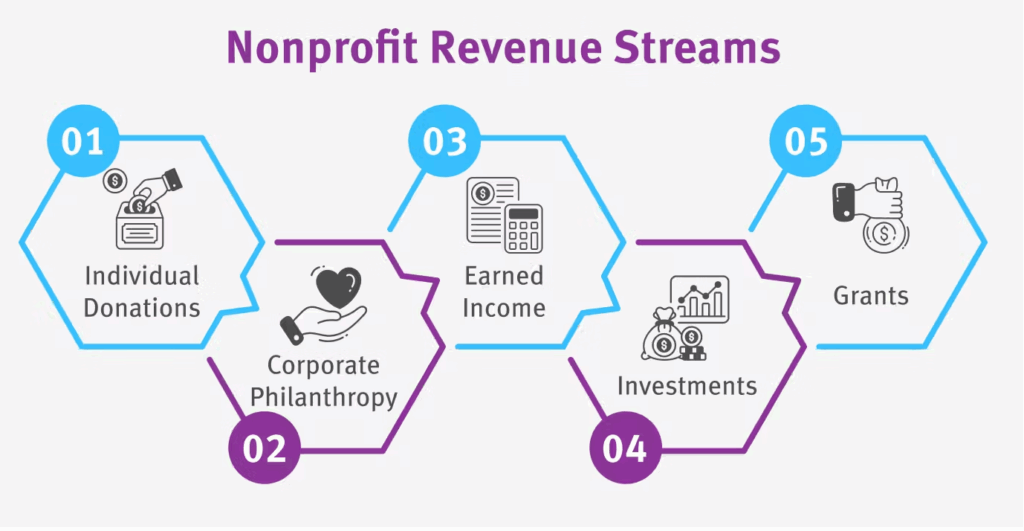
4. Create Clear Revenue Recognition Policies (and Build Them Into Your Tech Stack)
Not all income should be treated the same way, so it’s crucial to set rules before revenue hits your books.
Revenue recognition trips up even seasoned teams, especially when pledges, multiyear grants, contracts, or earned income all behave differently.
Here’s how to combine policy and technology:
• Define contribution vs. grant vs. contract vs. fee-for-service inside your accounting system.
• Use built-in rules to determine when revenue should be recognized (immediately, over time, or deferred).
• For multiyear awards, use tools that automate scheduled revenue recognition to ensure consistency across years.
• Document your policies and store them in your digital accounting manual so new team members stay aligned.
Clear rules + smart software = fewer audit adjustments and fewer surprises.
With clear standards in place, your organization can avoid confusion, reduce audit adjustments, and provide accurate, transparent financial statements.
5. Design a Year-Round Closing and Audit Prep Process (with Digital Organization as Your Superpower)
A smooth year-end isn’t about working faster—it’s about preparing smarter. Setting up strong internal processes now will make closing your books and completing audits far easier later.
- Review schedules and reconciliations throughout the year. This will ensure that your reports are accurate and ready for a final review at the end of the fiscal year.
- Maintain digital records and standardized folders for key documents and schedules in your accounting system or in cloud storage so documents never disappear into old email threads.
- Create a recurring year-end checklist that assigns responsibilities and deadlines to your team.
These habits keep your records clean, your team organized, and your auditors happy.
Why This Matters: Tech Systems Create Stability
Nonprofit accounting doesn’t have to be overwhelming. With the right systems and structure, you can prevent the most common mistakes long before they appear—and gain the clarity you need to lead with confidence.
Many nonprofits manage accounting internally because it feels “good enough.”
Until it isn’t.
As organizations grow, in-house bookkeeping often leads to:
- Inconsistent or delayed financial reporting
- Increased audit and compliance risk
- Overloaded staff juggling roles they weren’t hired for
- Board questions you can’t confidently answer
Curious about how to reduce risk and manage your nonprofit finances effectively?
In this free live demo, Jitasa will show how nonprofits are switching from reactive, high-risk accounting setups to a stable, expert-led financial foundation—without hiring full-time staff.
On average, Jitasa clients save 20% annually on accounting fees, allowing them to reinvest those savings into their mission. From bookkeeping and grant reporting to Form 990 preparation and financial strategy, Jitasa exists to help nonprofits focus on what truly matters — their mission.
This article was written by the experts at Jitasa:
Jitasa is a Certified B Corporation dedicated to making accounting accessible and affordable exclusively for nonprofits. Since 2008, we’ve provided bookkeeping, accounting, tax, and CFO services to thousands of mission-driven organizations across all 50 states. Our team of nonprofit specialists helps organizations streamline their financial operations, strengthen internal controls, and make data-driven decisions with confidence. Learn more about our services and approach at jitasagroup.com.